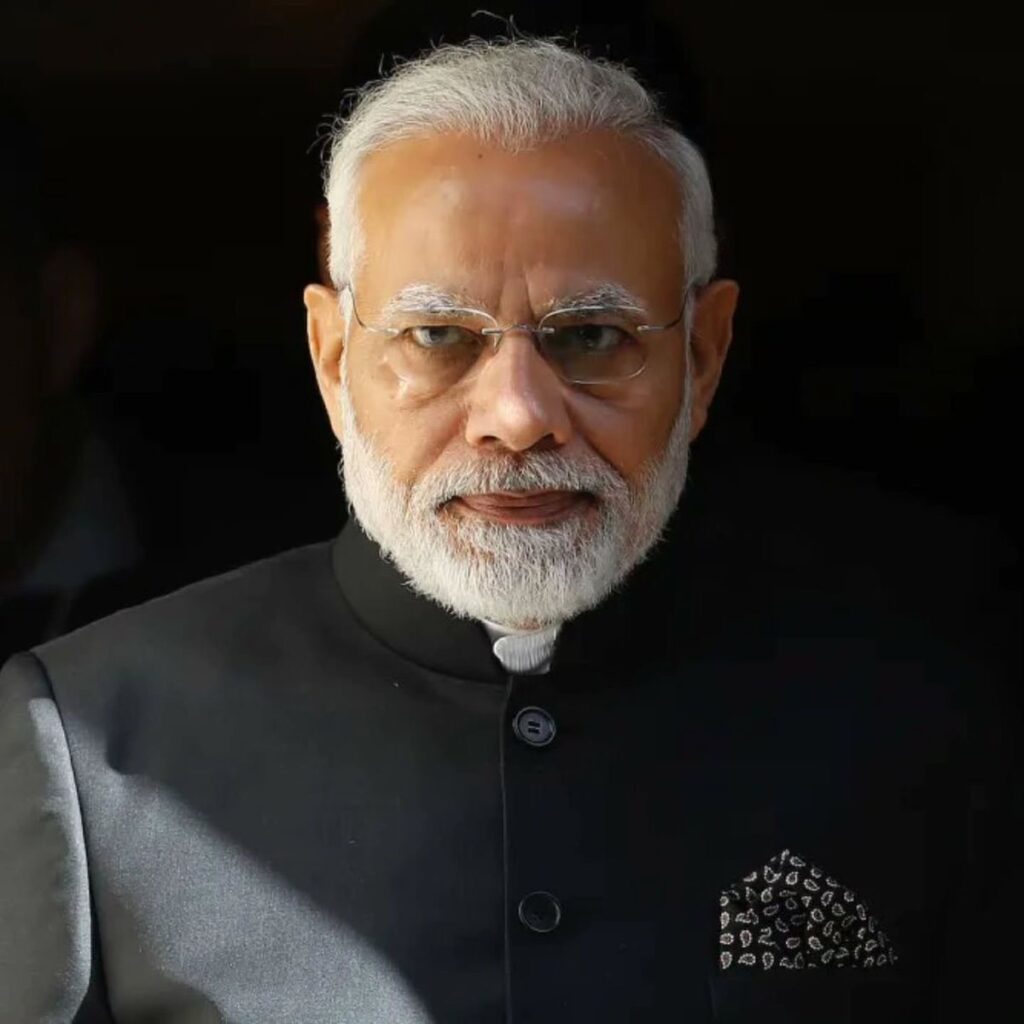
India has taken a firm trade stance by imposing a 30% tariff on pulses imported from the United States, signaling a strong response amid rising trade tensions between the two countries. The move has drawn significant attention in Washington, where US senators are urging former President Donald Trump to engage directly with Indian Prime Minister Narendra Modi to resolve the issue.
According to reports, the tariff hike is aimed at protecting Indian farmers and strengthening domestic pulse production. Pulses are a politically and economically sensitive commodity in India, and the decision reflects New Delhi’s intent to safeguard its agricultural sector from cheaper imports.
The development has sparked concern among US lawmakers, particularly those from agricultural states, who fear the tariff could impact American farmers and exporters. As a result, several US senators have called for renewed dialogue and diplomatic engagement between India and the United States to ease trade tensions and reopen negotiations.
While the Indian government has not indicated any immediate plans to roll back the tariff, experts believe that talks at the leadership level could help prevent further escalation. The situation highlights the complexities of global trade relations and the balancing act between protecting domestic industries and maintaining strong international partnerships.