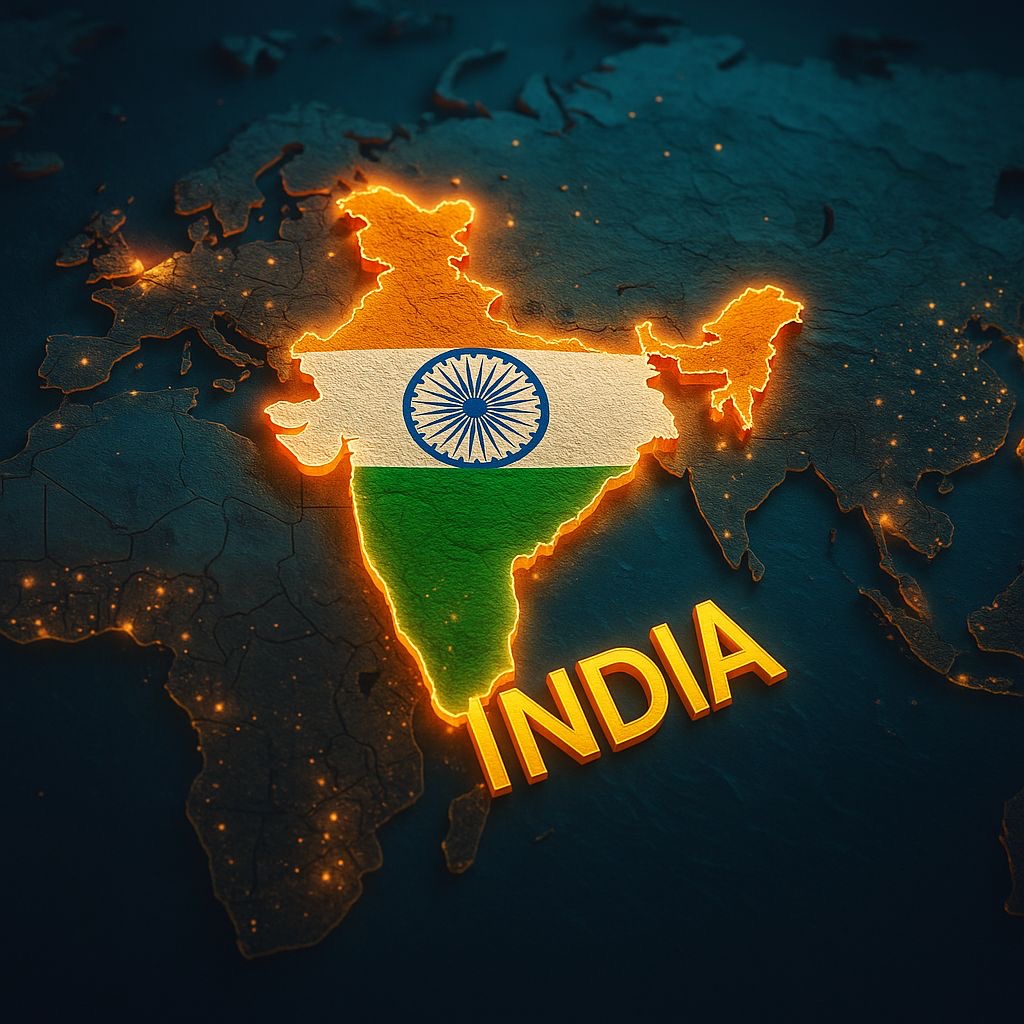
India celebrates Republic Day on 26 January and Independence Day on 15 August, both of which hold deep national importance but represent different milestones in the country’s history.
Republic Day marks the day when the Indian Constitution came into force in 1950, officially establishing India as a sovereign democratic republic. On this day, the national flag is unfurled from the top, symbolizing that the nation now governs itself under its own constitutional framework. The President of India leads the Republic Day celebrations, highlighting the supremacy of the Constitution and the rule of law. The grand parade at Kartavya Path showcases India’s military strength, cultural diversity, and constitutional values.
Independence Day, celebrated on 15 August, commemorates India’s freedom from British colonial rule in 1947. On this day, the national flag is hoisted from the bottom, symbolizing the birth of a free nation. The Prime Minister of India leads the ceremony from the Red Fort in Delhi, addressing the nation and reflecting on India’s journey, achievements, and future goals. Independence Day celebrates the sacrifices made by freedom fighters and the hard-earned freedom of the country.
Together, Republic Day and Independence Day remind citizens of both India’s freedom and its constitutional responsibility, reinforcing national pride, unity, and democratic values.